AC vs HVAC: Which Cooling System Do You Need?
What an air conditioner actually does
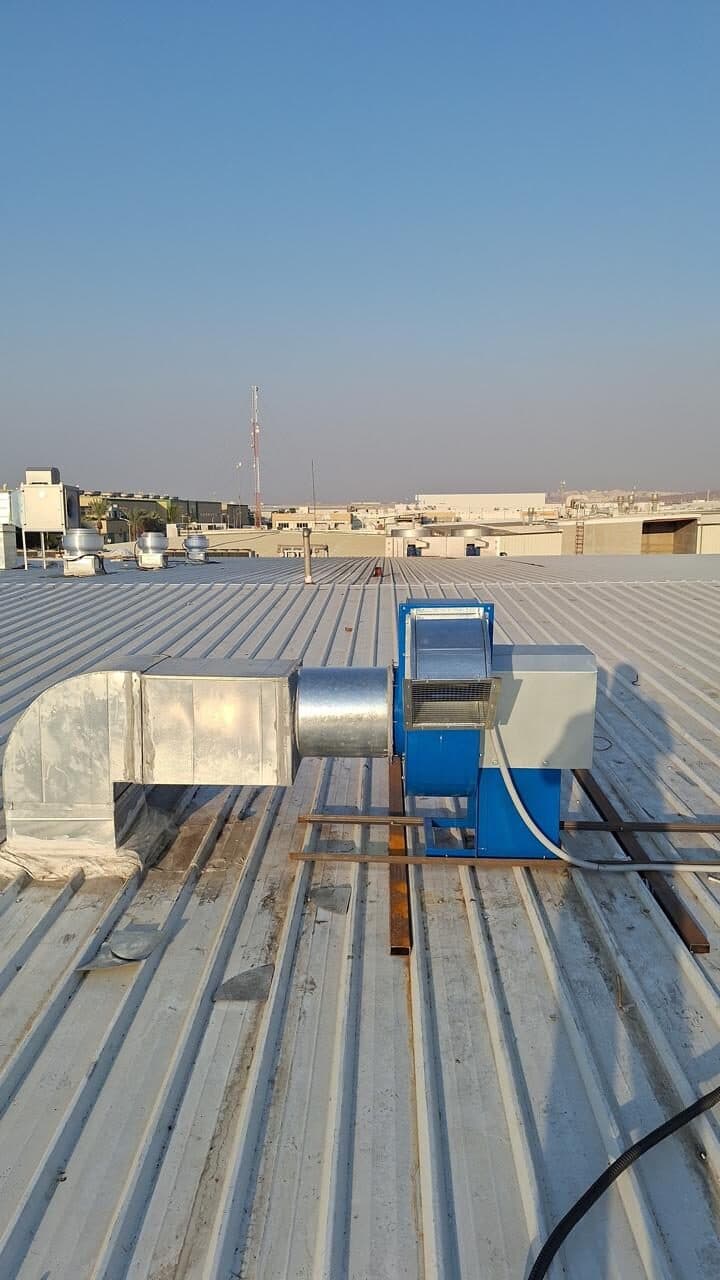
A standard AC unit — split, window, or packaged — has one job: remove heat from indoor air and reject it outside. It cools, and in most units it dehumidifies somewhat as a byproduct, but it does not manage fresh-air intake, ventilation, or heating on its own.
What a full HVAC system adds
HVAC stands for heating, ventilation, and air conditioning — it’s the umbrella term for a system that manages all three. That typically means ducted air distribution, fresh-air intake and filtration, humidity control, and in many commercial builds, heating as well as cooling, all coordinated through a central plant rather than standalone units.
Which one fits your building
Small residential spaces or single rooms are usually well served by standalone AC units — simpler to install, cheaper upfront, and easy to service. Larger commercial, industrial, or multi-zone buildings need the ventilation, filtration, and zoning that only a full HVAC system provides — especially where indoor air quality, humidity control, or code compliance are factors.
Getting the right advice before you buy
The decision usually comes down to building size, occupancy, and whether fresh-air ventilation is a requirement rather than a nice-to-have. Breeze Air Conditioning designs and installs both standalone AC systems and full HVAC plants across Saudi Arabia, and can assess which one actually fits a given building rather than defaulting to the more expensive option.
Need this handled by a professional HVAC contractor in Jeddah?
Request a Quote