What is HVAC Retrofit and Why is It Important?
What HVAC retrofitting means
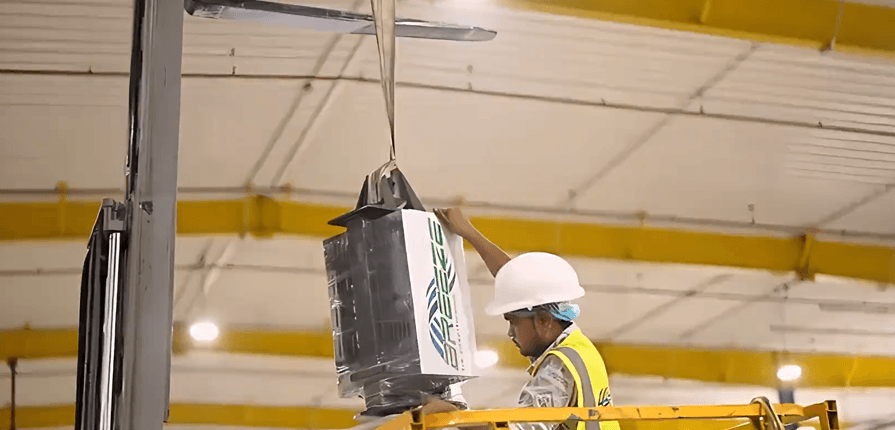
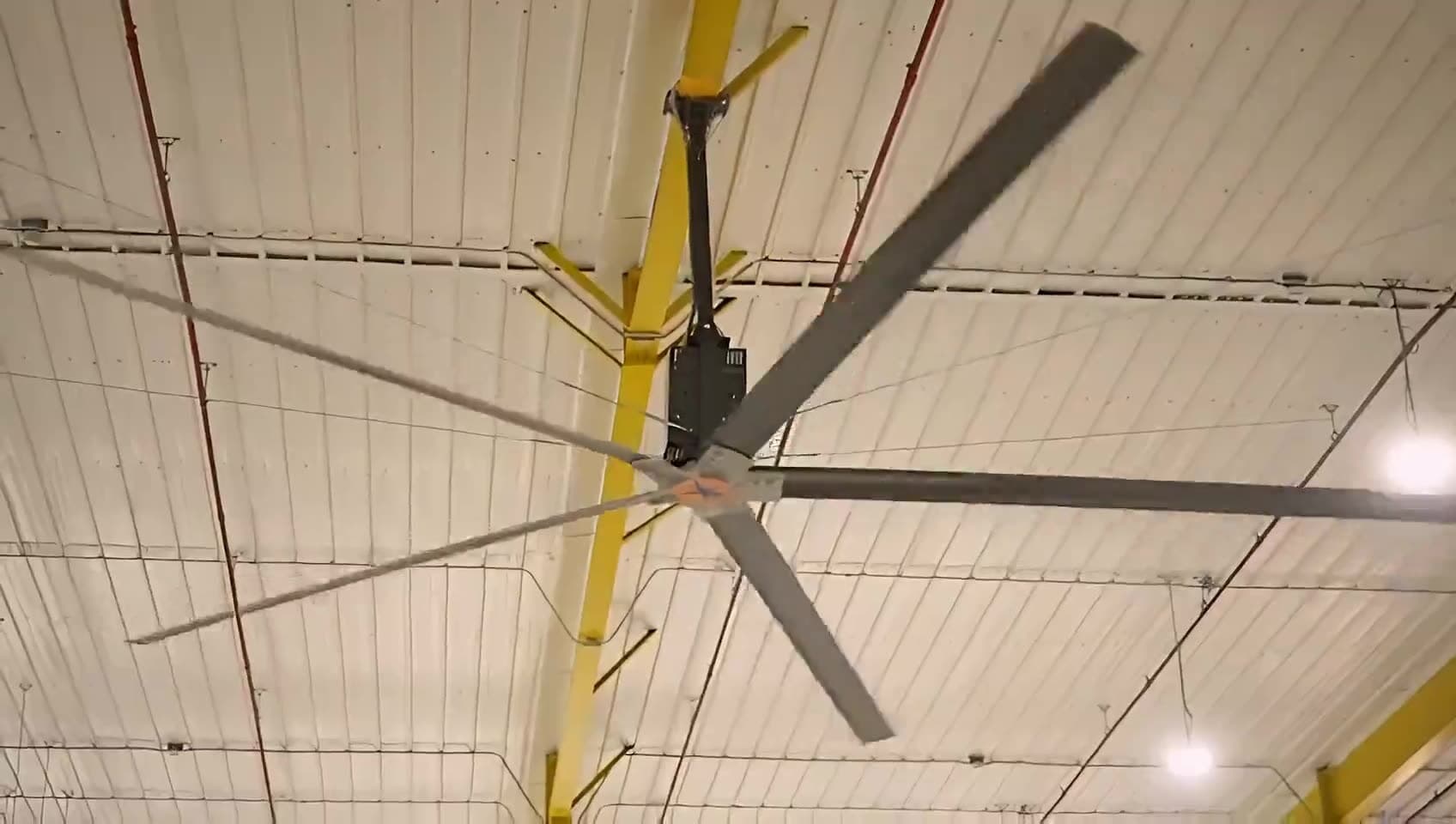
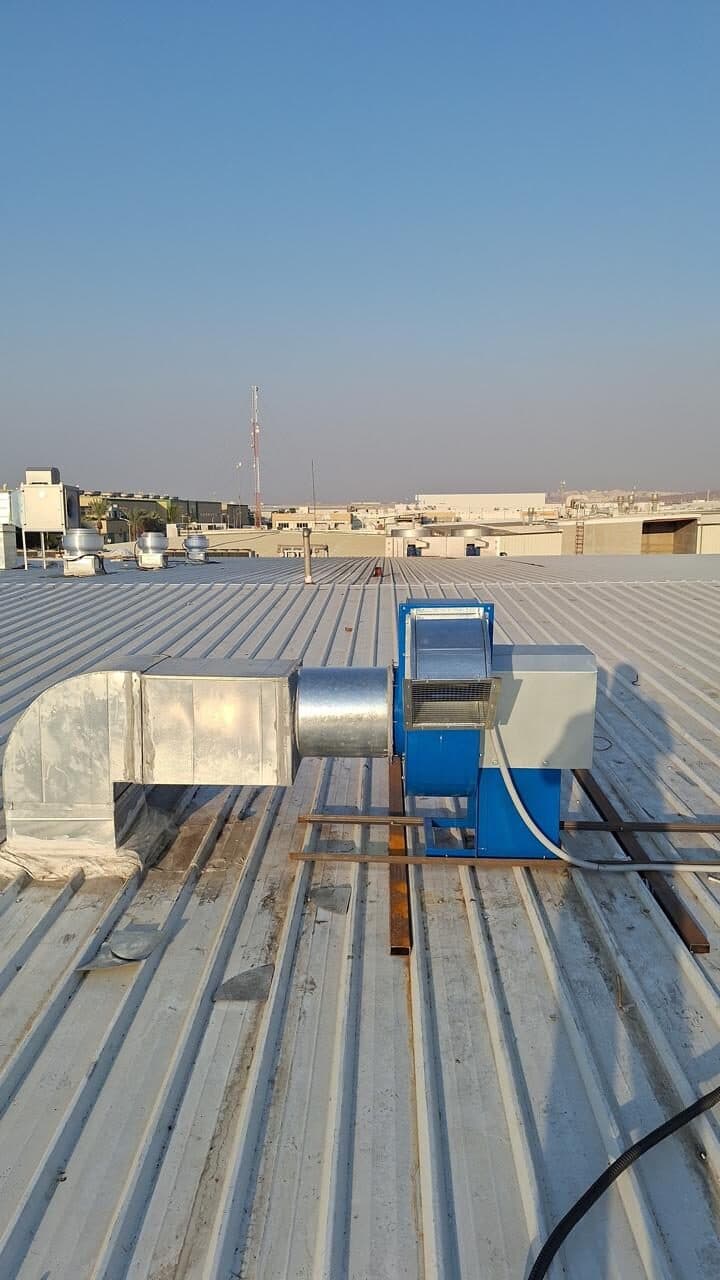
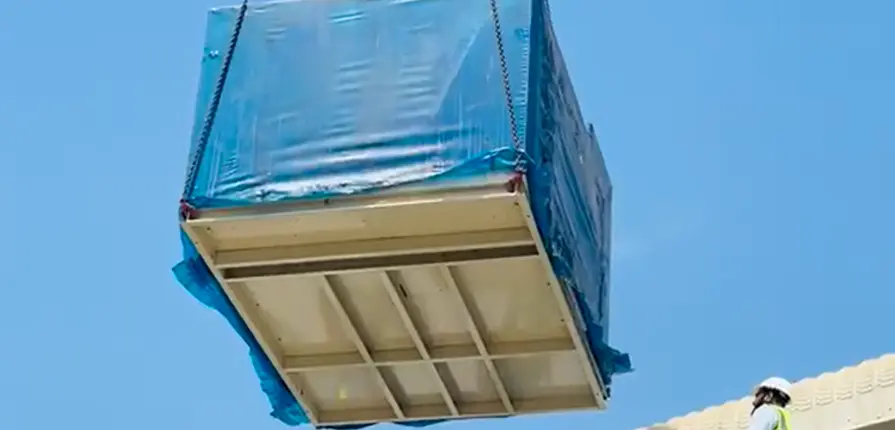
Retrofitting upgrades key components of an existing HVAC system — compressors, controls, coils, fans, or ductwork — without tearing out and replacing the whole plant. The structural and distribution parts of the system stay in place; the parts that have aged out or fallen behind current efficiency standards get swapped for modern equivalents.
Signs a system is a retrofit candidate
Rising energy bills without a change in usage, uneven cooling between zones, more frequent breakdowns, and equipment that’s reaching or past its rated service life are all signs worth investigating. Not every one of those symptoms means the system needs full replacement — a targeted retrofit often resolves them for a lot less capital outlay.
What retrofitting typically improves
Lower energy consumption from modern, more efficient compressors and motors.
Better temperature and humidity control from upgraded controls and sensors.
Extended equipment life, since the structural and ductwork components often have plenty of service life left.
A lower capital cost than a full system replacement, spreading the upgrade over less disruptive project scope.
Deciding between retrofit and replacement
The right call depends on the age and condition of the core equipment, how much of the system is still salvageable, and the building’s long-term plans. Breeze Air Conditioning’s retrofitting work starts with an assessment of the existing plant before recommending which components are worth upgrading and which, if any, need full replacement.
Need this handled by a professional HVAC contractor in Jeddah?
Request a Quote